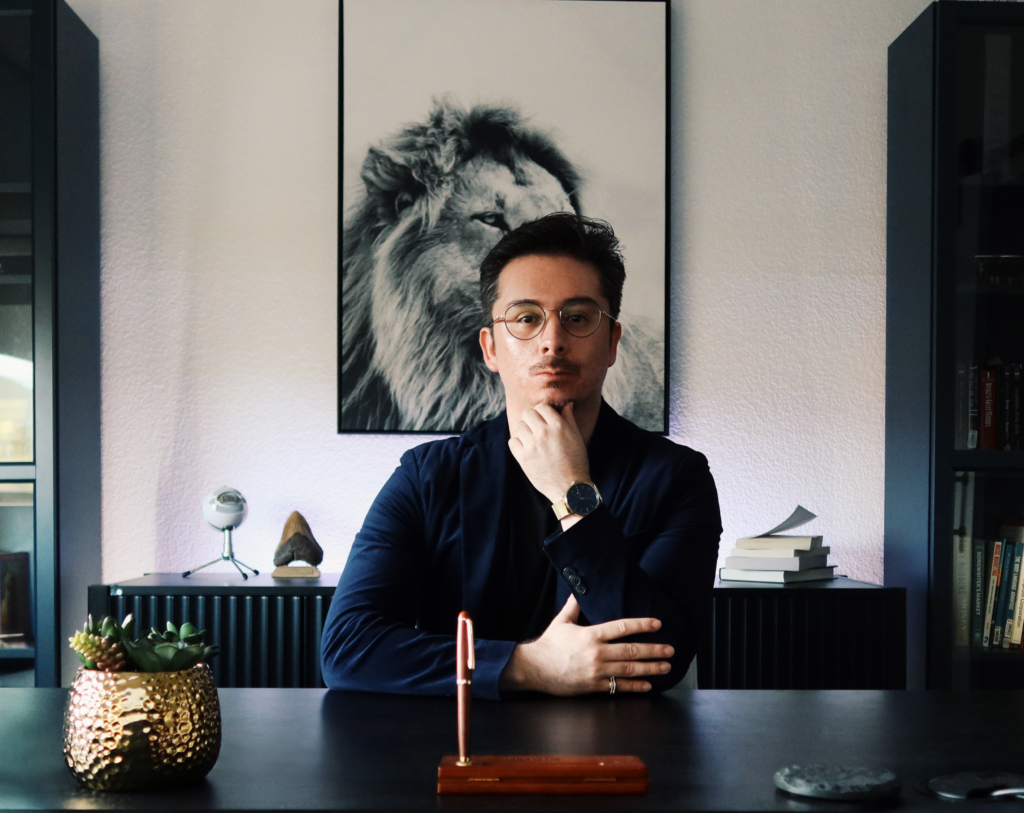
- Authentic textures elevate modern interiors with https://theincaspin-australia.com and timeless design elements
- The Allure of Natural Fibers in Contemporary Design
- Layering Textures for Visual Interest
- The Impact of Woven Textiles on Interior Spaces
- Integrating Global Influences & Ethical Sourcing
- The Enduring Appeal of Timeless Design Principles
- Beyond Aesthetics: The Role of Interior Design in Wellbeing
Authentic textures elevate modern interiors with https://theincaspin-australia.com and timeless design elements
The pursuit of authentic textures and timeless design elements is a cornerstone of modern interior aesthetics. Increasingly, homeowners and designers are seeking materials and pieces that tell a story, that possess a depth and character beyond simple functionality. This desire has led to a renewed appreciation for handcrafted items and natural materials, blurring the lines between contemporary and traditional styles. A key resource for sourcing unique and high-quality textiles and designs to achieve this look is https://theincaspin-australia.com, a company dedicated to bringing authentic, globally-inspired pieces to Australian interiors.
The appeal lies in the ability to create spaces that feel layered, inviting, and personal. A thoughtfully curated interior isn’t about adhering to rigid trends, but rather about assembling a collection of objects and textures that reflect individual taste and create a sense of harmony. This often involves incorporating elements that evoke a sense of travel, culture, and history. The textures themselves—whether rough-hewn wood, woven fabrics, or subtly patterned ceramics—become integral to the overall design narrative and contribute to a space’s unique atmosphere. The careful consideration of these details is what elevates a house into a home, and a simply furnished space into a beautifully designed one.
The Allure of Natural Fibers in Contemporary Design
Natural fibers have experienced a significant resurgence in popularity within the realm of interior design, driven by a growing awareness of sustainability and a desire for tactile experiences. Materials like linen, cotton, wool, and jute offer a warmth and texture that synthetic alternatives simply cannot replicate. Linen, for example, is renowned for its breathability and relaxed aesthetic, making it ideal for curtains, upholstery, and bedding. Cotton, with its versatility and affordability, is a staple in countless home décor applications. Wool provides exceptional insulation and a luxurious feel, perfect for rugs and throws. Jute, a robust and sustainable fiber, lends a natural, earthy touch to flooring and wall coverings.
However, the integration of natural fibers isn’t solely about their environmental benefits or inherent qualities. It's also about the visual impact they create. These materials inherently possess imperfections—slubs in the yarn, variations in color, subtle textures—that add character and depth to a space. They soften harsh lines, create contrast, and introduce a sense of organic beauty. A room furnished with natural fibers feels more grounded, more inviting, and more connected to the natural world. This shift towards naturalism aligns with a broader cultural movement that values authenticity and craftsmanship over mass-produced perfection. The use of these fibers truly elevates a space beyond the simply functional into something that feels considered and aesthetically pleasing.
Layering Textures for Visual Interest
Achieving a sophisticated and inviting interior design often hinges on the art of layering textures. This doesn’t mean simply combining multiple materials, but rather carefully considering how those materials interact with each other to create visual depth and interest. Think about pairing a rough linen sofa with a smooth silk throw pillow, or a woven jute rug with a plush velvet armchair. The contrast in textures creates a dynamic and engaging effect. It’s also vital to consider the color palette; neutral tones tend to accentuate texture, while bolder colors can sometimes overshadow it. Successfully layering textures requires a keen eye for balance and harmony. It's about creating a space that feels both visually stimulating and comfortably inviting.
| Material | Texture Profile | Common Applications | Care Considerations |
|---|---|---|---|
| Linen | Relaxed, slightly slubbed | Curtains, upholstery, bedding | Machine washable, may wrinkle |
| Cotton | Soft, smooth, versatile | Upholstery, bedding, towels | Machine washable, durable |
| Wool | Warm, plush, insulating | Rugs, throws, blankets | Dry clean or hand wash |
| Jute | Rough, natural, durable | Rugs, wall coverings | Spot clean only, avoid excessive moisture |
Beyond these core materials, exploring other natural fibers like sisal, seagrass, and ramie can further enhance the textural richness of a space. Experimentation is key, and the most successful interiors are those that reflect a thoughtful and personal approach to materials and finishes.
The Impact of Woven Textiles on Interior Spaces
Woven textiles play a crucial role in defining the character and ambiance of an interior. From intricate rugs to delicate wall hangings, these pieces add warmth, texture, and visual interest to any room. Different weaving techniques, from hand-knotted to flatweave, produce vastly different effects. Hand-knotted rugs, for example, are renowned for their durability and intricate designs, often representing hours of skilled craftsmanship. Flatweave rugs offer a more contemporary aesthetic and are typically lighter in weight and easier to maintain. The choice of weaving technique should align with the overall style of the interior and the desired level of formality.
Beyond rugs, woven textiles can be incorporated into a variety of other design elements. Upholstery fabrics, curtains, and cushions all offer opportunities to introduce texture and pattern. Consider using textiles with subtle textures, such as linen blends or bouclé, to add depth without overwhelming the space. Alternatively, bolder patterns and colors can be used to create focal points and inject personality into a room. The key is to create a cohesive look that reflects a deliberate design sensibility. The selection of woven textiles should also consider the functional aspects of the space, such as durability, stain resistance, and lightfastness. The careful thought in choosing weaves can influence the atmosphere of the room for years to come.
- Rugs: Anchoring spaces and adding warmth.
- Curtains: Softening light and enhancing privacy.
- Upholstery: Providing comfort and visual interest.
- Cushions & Throws: Adding texture and pops of color.
- Wall Hangings: Creating focal points and artistic expression.
The resurgence of traditional weaving techniques, coupled with a growing appreciation for artisanal craftsmanship, is driving a renewed demand for unique and ethically sourced woven textiles. Resources like https://theincaspin-australia.com offer access to a curated selection of these pieces, allowing designers and homeowners to create interiors that are both beautiful and meaningful.
Integrating Global Influences & Ethical Sourcing
The increasing interconnectedness of the world has fostered a growing appreciation for global influences in interior design. Incorporating pieces from different cultures adds depth, personality, and a sense of worldly sophistication to a space. Whether it’s a Moroccan pouf, a Japanese shoji screen, or a Peruvian textile, these items tell a story and reflect a broader understanding of art, history, and craftsmanship. However, it's crucial to approach this integration with respect and sensitivity, avoiding cultural appropriation and prioritizing ethically sourced items. Understanding the origins and significance of these cultural elements is paramount.
Ethical sourcing is becoming increasingly important to consumers, and rightly so. Supporting artisans and businesses that prioritize fair labor practices, sustainable materials, and environmental responsibility is essential. When purchasing global-inspired pieces, look for companies that are transparent about their supply chains and committed to ethical production. This not only ensures that you’re acquiring a beautiful and unique item, but also that you’re contributing to a more equitable and sustainable world. Choosing businesses that directly support artisan communities can have a significant impact, empowering individuals and preserving traditional crafts. A thoughtfully chosen piece from a responsible source adds more than just aesthetic value; it carries a story of empowerment and preservation.
- Research the origins and cultural significance of any global-inspired piece.
- Prioritize ethically sourced items from companies with transparent supply chains.
- Support artisans and businesses that prioritize fair labor practices.
- Choose sustainable materials whenever possible.
- Consider the environmental impact of shipping and transportation.
Ultimately, the goal is to create a space that reflects your personal style while also upholding ethical and sustainable values. A conscious approach to sourcing and design not only enhances the beauty of your home but also contributes to a more responsible and equitable world.
The Enduring Appeal of Timeless Design Principles
While trends come and go, certain design principles remain timeless, providing a solid foundation for creating interiors that are both stylish and enduring. Principles like balance, proportion, harmony, and rhythm are fundamental to good design, regardless of aesthetic preference. Balancing visual weight, ensuring appropriate proportions between furniture and space, creating a sense of harmony through color and texture, and establishing a rhythm through repetition and contrast are all essential elements of a well-designed interior. These principles aren’t about adhering to strict rules, but rather about using them as guidelines to create a space that feels visually pleasing and functionally comfortable.
Investing in quality pieces that are built to last is also crucial for achieving a timeless aesthetic. Choosing well-made furniture, durable fabrics, and classic designs will ensure that your interior remains stylish for years to come. Avoid chasing fleeting trends and instead focus on creating a space that reflects your personal style and values. A timeless interior is one that evolves gracefully over time, reflecting the changing needs and preferences of its inhabitants. It's a space that feels authentic, comfortable, and inviting, regardless of current fashion trends. The foundation of any good interior is a firm grasp of these historical standards.
Beyond Aesthetics: The Role of Interior Design in Wellbeing
Interior design extends far beyond mere aesthetics; it profoundly impacts our wellbeing. A thoughtfully designed space can promote relaxation, reduce stress, and enhance productivity. The use of color, light, and texture can all influence our mood and emotions. For example, calming colors like blues and greens can create a sense of tranquility, while bright, energizing colors like yellows and oranges can boost morale. Natural light is essential for regulating our circadian rhythms and promoting overall health, so maximizing access to sunlight is crucial. Similarly, incorporating natural elements like plants and wood can create a connection to the natural world, which has been shown to reduce stress and improve wellbeing.
Considering the principles of biophilic design – integrating natural elements into the built environment – is key to creating spaces that support our physical and mental health. This can involve incorporating plants, using natural materials, maximizing natural light, and creating views of nature. The layout of a space also plays a significant role in our wellbeing. Creating clear pathways, defining zones for different activities, and ensuring ample space for movement can contribute to a sense of calm and order. Ultimately, the goal of interior design should be to create spaces that not only look beautiful but also feel good to be in – spaces that nurture our wellbeing and enhance our quality of life. https://theincaspin-australia.com provides a starting point for those seeking to enhance their living space, leading to a more joyful and functional lifestyle.