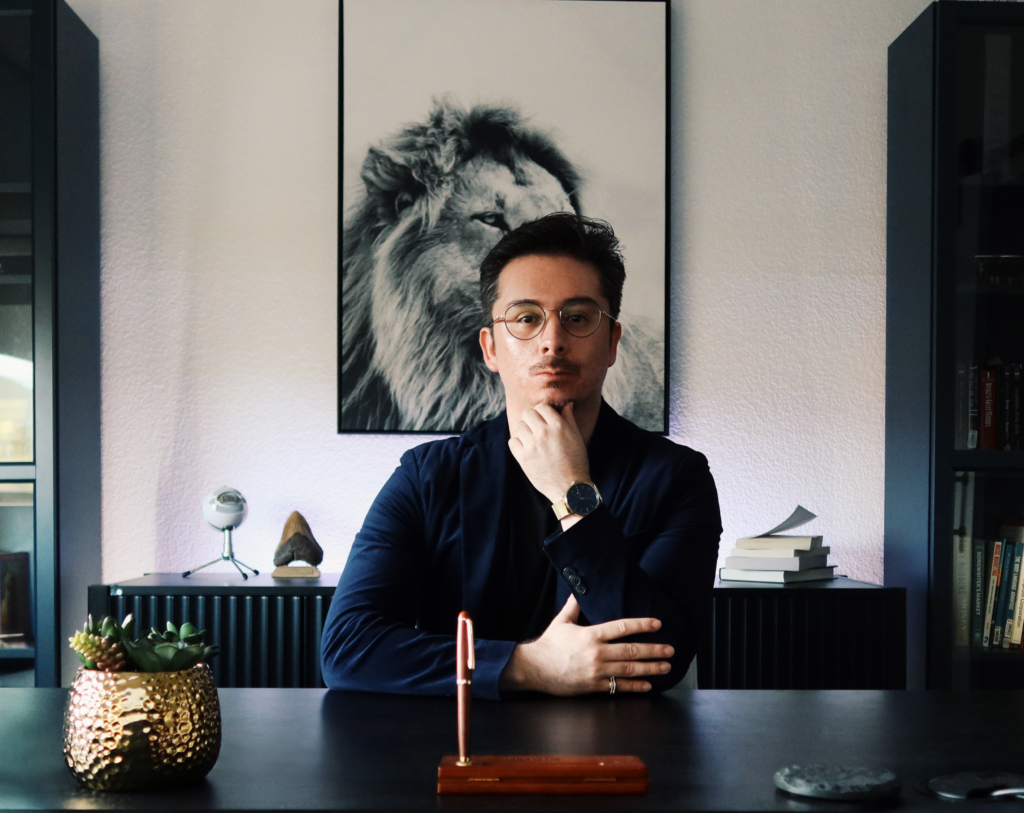
- Distinctive textures and https://wrenandmoss.co.uk transform captivating interior aesthetics
- The Importance of Texture in Interior Design
- Layering Textures for Impact
- The Role of Colour and Pattern in Complementing Texture
- Choosing Colour Palettes to Enhance Textural Elements
- The Impact of Lighting on Perceived Texture
- Utilizing Lighting Techniques to Accentuate Texture
- Sourcing High-Quality Textured Elements
- Evolving Trends and Timeless Appeal in Textured Interiors
Distinctive textures and https://wrenandmoss.co.uk transform captivating interior aesthetics
The pursuit of a beautifully designed interior is a deeply personal one, often driven by a desire to create a space that reflects individual style and provides a sanctuary from the outside world. Finding the right elements to achieve this vision can be a challenging journey, however, companies like https://wrenandmoss.co.uk are dedicated to curating collections that inspire and elevate interior aesthetics. Their focus isn’t simply on offering products, but on delivering textures, colours, and designs that transform spaces into captivating environments. The key lies in understanding how different materials and finishes interact with light and space, and how they can evoke specific moods and feelings.
A well-considered interior isn't merely about aesthetics; it's about creating functionality and comfort alongside visual appeal. From the tactile experience of woven fabrics to the subtle sheen of metallic accents, every element contributes to the overall ambiance. This is where companies that specialize in distinctive textures truly excel, offering pieces that engage the senses and invite connection. The selection of the appropriate textural components can dramatically shift the perception of a room, making it feel warmer, more inviting, or more sophisticated, depending on your aim. These elements are often the finishing touches which creates the design.
The Importance of Texture in Interior Design
Texture is often underestimated in interior design, overshadowed by colour palettes and furniture arrangements. However, it plays a crucial role in adding depth, dimension, and visual interest to a space. Without texture, a room can feel flat and uninviting. It's the layers of tactile surfaces – from the smooth coolness of marble to the rough warmth of reclaimed wood – that create a sense of richness and complexity. Incorporating a variety of textures prevents a monochromatic scheme from feeling sterile, and can even elevate a simple colour scheme to something truly remarkable. A crucial aspect of texture is its ability to evoke emotions; a plush velvet armchair might feel luxurious and comforting, while a woven linen curtain might feel airy and relaxed. Carefully selecting combinations of textural elements can contribute to the intended mood of a room. Consider how the texture plays with available light; a highly textured surface will cast shadows, adding extra dimension.
Layering Textures for Impact
The art of layering textures is key to achieving a sophisticated and visually appealing interior. This doesn't necessarily mean using a multitude of different materials, but rather combining them in a thoughtful and intentional way. For example, pairing a smooth leather sofa with a chunky knit throw and a textured rug can create a harmonious blend of comfort and style. Mixing natural and man-made textures is another effective technique. Combining the rustic charm of wood with the sleek modernity of metal can create a dynamic and balanced aesthetic. It's important to consider the scale of the textures as well; larger-scale textures, such as a textured wallcovering, can make a space feel smaller and more intimate, while smaller-scale textures, such as a patterned cushion, can add subtle interest without overwhelming the room.
| Texture Type | Common Materials | Mood/Feeling | Ideal Applications |
|---|---|---|---|
| Rough | Stone, Brick, Reclaimed Wood | Rustic, Natural, Grounded | Feature Walls, Fireplaces, Exterior Elements |
| Smooth | Marble, Glass, Polished Wood | Elegant, Sophisticated, Clean | Countertops, Flooring, Decorative Objects |
| Soft | Velvet, Silk, Linen | Luxurious, Comfortable, Relaxing | Upholstery, Bedding, Curtains |
| Textured Weaves | Wool, Cotton, Jute | Warm, Inviting, Casual | Rugs, Throws, Baskets |
Ultimately, creating a well-textured space relies on experimentation and a keen eye for detail. Don’t be afraid to play with different combinations and discover what works best for your personal style and the overall aesthetic of your home. Successfully integrating texture enhances the visual appeal and creates a richer, more inviting atmosphere.
The Role of Colour and Pattern in Complementing Texture
While texture is foundational, its full potential is unlocked when combined thoughtfully with colour and pattern. Colour can accentuate texture, making it more prominent or more subtle. For example, a dark colour will tend to emphasize texture, while a light colour will diminish it. Similarly, pattern can add another layer of visual interest and complexity, but it’s important to strike a balance. Overusing patterns can feel overwhelming, while a lack of pattern can make a space feel bland. Understanding the relationship between colour, pattern, and texture allows for the creation of harmonious and visually dynamic interiors. The psychology of color plays a huge role in how texture is perceived – warmer tones often enhance feelings of comfort and are suitable for softer textures.
Choosing Colour Palettes to Enhance Textural Elements
When selecting colour palettes, consider the existing textures in the space and choose colours that will complement them. For example, if you have a lot of natural wood furniture, warm earthy tones like browns, greens, and oranges will create a cohesive and inviting look. If you're working with a more modern aesthetic, consider using a neutral colour palette with pops of colour to highlight specific textural elements. Monochromatic schemes can also be very effective, but it's important to incorporate a variety of textures to prevent the space from feeling flat. Experimenting with different colour combinations and observing how they interact with the textures is key to finding the perfect balance. Consider the amount of natural light in the room; brighter rooms can handle bolder colours, while darker rooms may benefit from softer, more muted tones.
- Utilize neutral backdrops to allow textures and patterns to stand out.
- Employ analogous colour schemes (colours next to each other on the colour wheel) for a harmonious blend.
- Introduce contrasting colours strategically to create focal points and visual interest.
- Consider the emotional impact of different colours and how they interact with textures.
- Don't be afraid to experiment and break the rules!
Successfully blending colour and pattern with texture is a hallmark of thoughtful interior design. It’s about creating not just a visually appealing space, but one that feels balanced, harmonious, and truly reflective of your personal style. Companies like https://wrenandmoss.co.uk often showcase examples of expertly coordinated palettes, offering inspiration for different design aesthetics.
The Impact of Lighting on Perceived Texture
Lighting is a surprisingly powerful tool when it comes to enhancing or diminishing the perception of texture. Different types of lighting – natural, ambient, task, and accent – interact with textured surfaces in unique ways, creating varying effects. Direct light, such as spotlights, will highlight the peaks and valleys of a textured surface, making it more prominent. Diffuse light, on the other hand, will soften the shadows and create a more subtle effect. The angle of the light is also important; side lighting will create more dramatic shadows than overhead lighting. Experimenting with different lighting techniques can dramatically transform the look and feel of a room. The correct execution turns a space from underwhelming into breathtaking.
Utilizing Lighting Techniques to Accentuate Texture
To accentuate texture, consider incorporating a combination of lighting techniques. Use spotlights to highlight specific textured elements, such as a stone wall or a piece of artwork. Layer ambient lighting to create a warm and inviting atmosphere. Incorporate task lighting to provide functional illumination and highlight work surfaces. Accent lighting can be used to draw attention to specific features and create focal points. It's important to consider the colour temperature of the lights as well; warmer tones will create a more cozy and inviting atmosphere, while cooler tones will create a more modern and sophisticated look. Ensure lighting is properly diffused so as not to wash out the textural elements, creating a flat appearance.
- Use spotlights to highlight textured walls or artwork.
- Incorporate ambient lighting to create a warm and inviting atmosphere.
- Utilize task lighting to illuminate work surfaces and reading areas.
- Experiment with the angle of the light to create different shadow effects.
- Consider the colour temperature of the lights to achieve the desired mood.
Strategic lighting is the final brushstroke in a well-designed interior. It's the element that brings texture to life, enhancing its visual impact and creating a truly captivating space.
Sourcing High-Quality Textured Elements
The origin and quality of materials significantly influence the impact of textures within a space. Investing in high-quality materials ensures longevity, durability, and a more refined aesthetic. When sourcing textured elements, consider the sustainability of the materials and the ethical practices of the manufacturers. Look for materials that are responsibly sourced and produced using environmentally friendly methods. Exploring artisan-crafted pieces offers unique textures and supports traditional craftsmanship. Examination of the materials is crucial before purchase.
Evolving Trends and Timeless Appeal in Textured Interiors
While interior design trends come and go, the importance of texture remains constant. Current trends showcase a move towards natural and organic textures, reflecting a growing desire for connection with the natural world. Think of reclaimed wood, woven grasses, and raw stone. However, timeless textures like linen, velvet, and leather continue to hold their appeal, regardless of current trends. The key is to incorporate textures in a way that feels authentic and reflects your personal style. A well-designed interior should be both visually appealing and enduring, creating a space that you’ll love for years to come. The foundation of a beautiful and durable interior is utilizing textures which stand the test of time, combined with pieces that reflect current design sensibilities.
Ultimately, creating a space that feels both stylish and inviting comes down to thoughtful curation. Selecting high-quality materials, layering textures effectively, and utilizing lighting strategically are all essential components of successful interior design. Exploring resources like https://wrenandmoss.co.uk can provide inspiration and guidance in navigating the world of textures and creating a home that truly reflects your personal aesthetic. This approach fosters environments that are not just aesthetically pleasing, but emotionally resonant and demonstrably personal to the inhabitant.