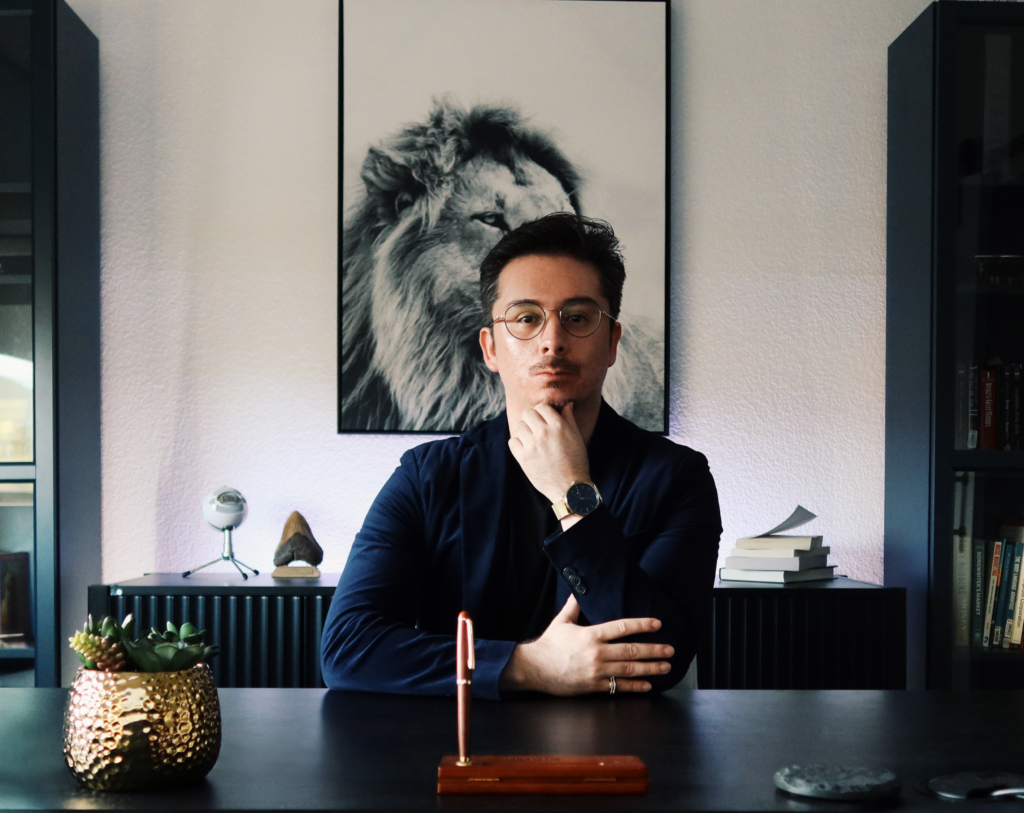
- Sublime artistry featuring https://thespinkings.uk elevates interior design beautifully
- The Allure of Eclectic Art in Modern Interiors
- The Role of Texture and Materiality
- Curating a Colour Palette That Complements Your Art
- Utilizing Neutral Backdrops to Showcase Artwork
- The Importance of Scale and Proportion in Art Placement
- Creating Focal Points with Strategic Art Placement
- Integrating Art with Architectural Features
- The Enduring Appeal of Original Artwork and Supporting Artists
Sublime artistry featuring https://thespinkings.uk elevates interior design beautifully
Interior design is a powerful tool, capable of transforming a house into a home and reflecting the personality of its occupants. It’s a continually evolving art form, heavily influenced by trends, cultural shifts, and innovative materials. Finding the right pieces to complement a space, however, can be a daunting task. Many individuals and businesses turn to specialist providers for unique and high-quality artistry, and one such purveyor of exquisite design elements is https://thespinkings.uk. The selection of art and design objects available through them can truly elevate the aesthetic of any environment.
The pursuit of a beautifully designed interior isn't merely about aesthetics; it's about creating a functional and harmonious environment that supports well-being and enhances daily life. Whether the goal is to create a calming sanctuary, a vibrant social hub, or a professional workspace, careful consideration must be given to every detail, from the layout and colour palette to the textures and accessories. Thoughtful design incorporates both form and function, resulting in spaces that are as pleasing to the eye as they are practical to use. Exploring avenues like those offered at The Spin Kings can unlock new possibilities for personal expression.
The Allure of Eclectic Art in Modern Interiors
Modern interior design often leans towards minimalism and functionality, but there's a growing trend towards incorporating eclectic art pieces to inject personality and visual interest into otherwise streamlined spaces. The intentional juxtaposition of different styles, textures, and colours can create a dynamic and captivating atmosphere. Rather than adhering strictly to a single aesthetic, eclectic design embraces a curated collection of objects that tell a story and reflect the homeowner’s individual taste. This approach requires a keen eye for balance and harmony, selecting pieces that complement each other despite their differences. Finding unique and striking pieces is paramount, and this is where specialist art providers can prove invaluable. They offer access to a diverse range of artworks, sculptures, and decorative items that are often unavailable through mainstream retailers.
The Role of Texture and Materiality
Beyond visual aesthetics, texture and materiality play a crucial role in creating a compelling and inviting interior. Incorporating a variety of textures – such as smooth silk, rough wood, and plush velvet – adds depth and dimension to a space. Similarly, the choice of materials can significantly impact the overall feel of a room. Natural materials like wood, stone, and linen create a sense of warmth and authenticity, while more contemporary materials like metal, glass, and acrylic can lend a sleek and modern edge. A skillful interplay of textures and materials can elevate even the simplest design scheme, transforming it into a tactile and visually engaging environment. The right art piece, considering its materials, can effectively tie a room’s texture scheme together.
| Material | Associated Aesthetic | Common Applications |
|---|---|---|
| Wood | Rustic, Natural, Farmhouse | Furniture, Flooring, Wall Paneling |
| Metal | Industrial, Modern, Minimalist | Lighting, Furniture Frames, Decorative Accents |
| Glass | Contemporary, Elegant, Open | Tabletops, Lighting Fixtures, Decorative Objects |
| Velvet | Luxurious, Classic, Glamorous | Upholstery, Curtains, Pillows |
The strategic use of these materials, alongside carefully selected artwork, contributes significantly to an elevated interior. A properly chosen piece can highlight a material’s strength or soften a harsher tone.
Curating a Colour Palette That Complements Your Art
Colour is arguably the most impactful element of interior design, capable of evoking a wide range of emotions and influencing the overall mood of a space. When incorporating art into an interior, it's essential to consider how the colours within the artwork will interact with the surrounding décor. A bold and vibrant painting, for example, might serve as a focal point in a neutral-toned room, creating a striking contrast that draws the eye. Alternatively, a more subtle artwork might blend seamlessly into a monochromatic colour scheme, adding depth and texture without overwhelming the space. Understanding colour theory – including concepts like complementary colours, analogous colours, and colour saturation – is crucial for creating a harmonious and balanced interior. The aim should be to create a cohesive aesthetic where the artwork enhances, rather than clashes with, the existing colour palette.
Utilizing Neutral Backdrops to Showcase Artwork
One effective strategy for showcasing artwork is to utilize a neutral backdrop. Walls painted in shades of white, grey, or beige provide a blank canvas that allows the colours and forms within the artwork to take center stage. This approach is particularly effective for bold or colourful pieces, as it prevents the surrounding environment from competing for attention. Neutral backdrops also offer versatility, allowing you to easily switch out artwork without having to repaint the entire room. Accessories and furnishings can then be introduced to add pops of colour and texture, creating a dynamic and visually interesting space. This allows the art, often a statement piece, to truly resonate.
- White walls create a clean and modern aesthetic.
- Grey walls offer a sophisticated and understated look.
- Beige walls provide warmth and versatility.
- Neutral rugs and furniture enhance the overall cohesiveness.
A carefully curated neutral palette acts as the ideal foil for vibrant artwork, allowing it to truly shine and become a focal point within the room.
The Importance of Scale and Proportion in Art Placement
The scale and proportion of artwork are critical considerations when designing an interior. A piece that is too small for a large wall can appear lost and insignificant, while a piece that is too large can overwhelm the space. The ideal size of an artwork will depend on the dimensions of the wall, the height of the ceiling, and the overall scale of the room. It's important to consider the viewing distance as well; artwork that will be viewed from afar can be larger, while artwork that will be viewed up close should be smaller. Similarly, the proportion of the artwork in relation to the surrounding furniture is also important. A large painting positioned above a sofa should be proportionate to the length of the sofa, while a smaller artwork can be placed on a console table or bookshelf. Taking the time to carefully consider these factors will ensure that the artwork is displayed in a way that is visually appealing and harmonious.
Creating Focal Points with Strategic Art Placement
Strategic art placement can be used to create focal points within a room, drawing the eye to specific areas and adding visual interest. A large painting or sculpture can serve as a natural focal point, while a gallery wall of smaller artworks can create a more dynamic and engaging display. When creating a focal point, it's important to consider the flow of traffic within the room and position the artwork in a location that is easily visible from the main entry points. Lighting can also be used to accentuate the artwork and draw attention to its features. Highlighting a piece effectively enhances its impact and elevates the overall aesthetic of the space. Skilled arrangement is key to achieving a lasting impression.
- Determine the main focal point of the room.
- Select artwork that complements the focal point.
- Position the artwork strategically to draw the eye.
- Use lighting to accentuate the artwork’s features.
This strategic approach will transform a room’s dynamic and ensure each piece of art is given the attention it deserves.
Integrating Art with Architectural Features
The most successful interior designs seamlessly integrate art with the existing architectural features of a space. This might involve highlighting a fireplace with a striking painting, complementing the lines of a staircase with a sculptural installation, or using artwork to define different zones within an open-plan living area. Consider the style of the architecture – whether it's modern, traditional, or eclectic – and select artwork that complements and enhances its character. For example, a minimalist modern interior might benefit from abstract or geometric artworks, while a more traditional interior might call for classic portraits or landscapes. Pay attention to the colours and textures of the architectural materials and choose artwork that harmonizes with them. This creates a cohesive and unified aesthetic that is both visually appealing and comfortable to inhabit.
The Enduring Appeal of Original Artwork and Supporting Artists
While prints and reproductions have their place, the acquisition of original artwork offers a unique and rewarding experience. Original pieces carry the artist’s personal touch, embodying their creative vision and skill. Investing in original artwork not only enhances the aesthetic of your home but also supports the livelihoods of artists and contributes to the vibrancy of the art community. Platforms like The Spin Kings provide a curated selection of original artworks from emerging and established artists, offering collectors a diverse range of styles and mediums to choose from. Supporting artists through the purchase of their work is a tangible way to promote creativity and cultural expression. Moreover, original artwork often appreciates in value over time, making it a potentially sound investment.
Ultimately, the selection of art is a deeply personal endeavour, reflecting individual tastes and preferences. By considering the principles of design, such as colour theory, scale, and proportion, and by embracing the power of original artwork, you can create an interior that is not only beautiful and functional but also a true reflection of your unique personality and style. The focus should always remain on creating a space that inspires, comforts, and enriches your daily life.